Silicon Catalyst.UK Event 2023 Key Takeaways

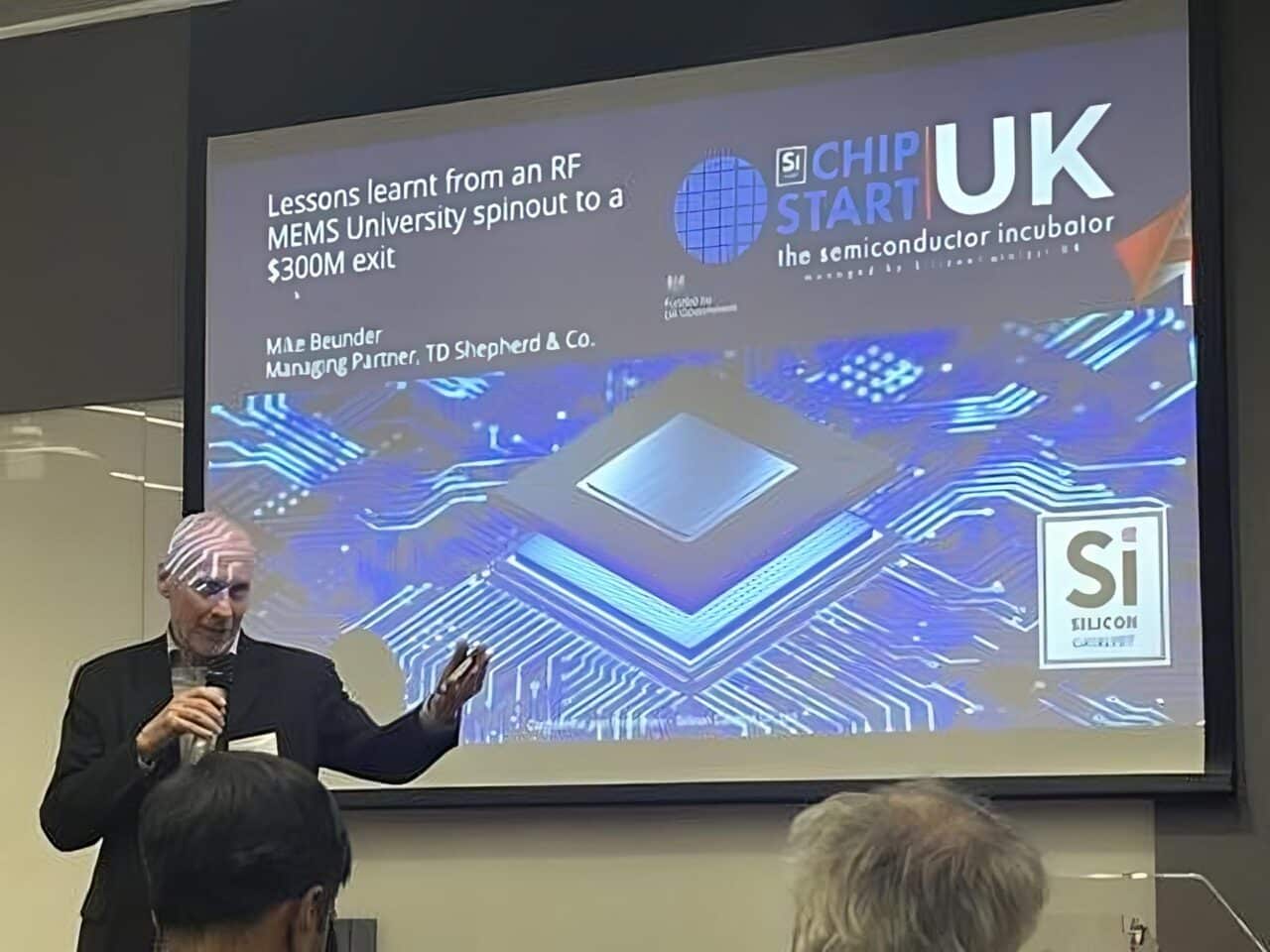
Training session by Mike Beunder at Silicon Catalyst event

This was the second Silicon Catalyst.UK event we attended. Attendance was now up to 100+ with full semiconductor focus which makes these events so good and effective. It brings together the whole eco-system: from EDA to IP, from fabless to specialty silicon manufacturers. It was a great event with a set of excellent startup pitches as well as a set of industry veterans presenting. For the UK these events are critical to bring the UK’s semiconductor industry back to the level where it belongs. It has the talent, it has the entrepreneurial spirit. It is important to continue and broaden these efforts. It will take time so financing and supporting such events over a longer period of time is key. We are talking a decennia and longer and failures are part of the effort. Too many governments are afraid to “waste” the public taxpayer’s money if there is a failure – it should be made clear that failures are part of the journey and equally valuable as the successes. Only with this approach will you get real and lasting results.
You may also like

the scheme of benefits delivered by advisors to startups

Why Many Startups Need External Expertise

Semiconductor innovation requires navigating a complex maze of high costs, lengthy development and qualification paths, detailed technical specifications, and, of course, the right market timing. For startups that seek to lead in their space, external expertise isn’t just helpful; it is almost always essential. 

Read more
TD Shepherd and HTVD logos

TD Shepherd Is Now a Partner at HTVD

We are excited to announce TD Shepherd as a partner of High-Tech Venture Days 2025 (HTVD25). HTVD is a matchmaking event that brings together three main groups: startups, investors (especially venture capital firms, corporate venture arms, etc.), and established companies (corporates). 

Read more
4k-mems-infrared-emitter

Tiny IR: Opportunities & Technical Challenges Behind

Generating infrared light isn’t difficult. But generating it on a chip — reliably, efficiently, and compactly — is a different story. Traditional IR sources rely on heating elements. They radiate across a wide range of wavelengths, consume significant power, and require filters to isolate the signals. Manageable in labs, unworkable in wearables.

Read more