EDA Conference 2022 Key Takeaways

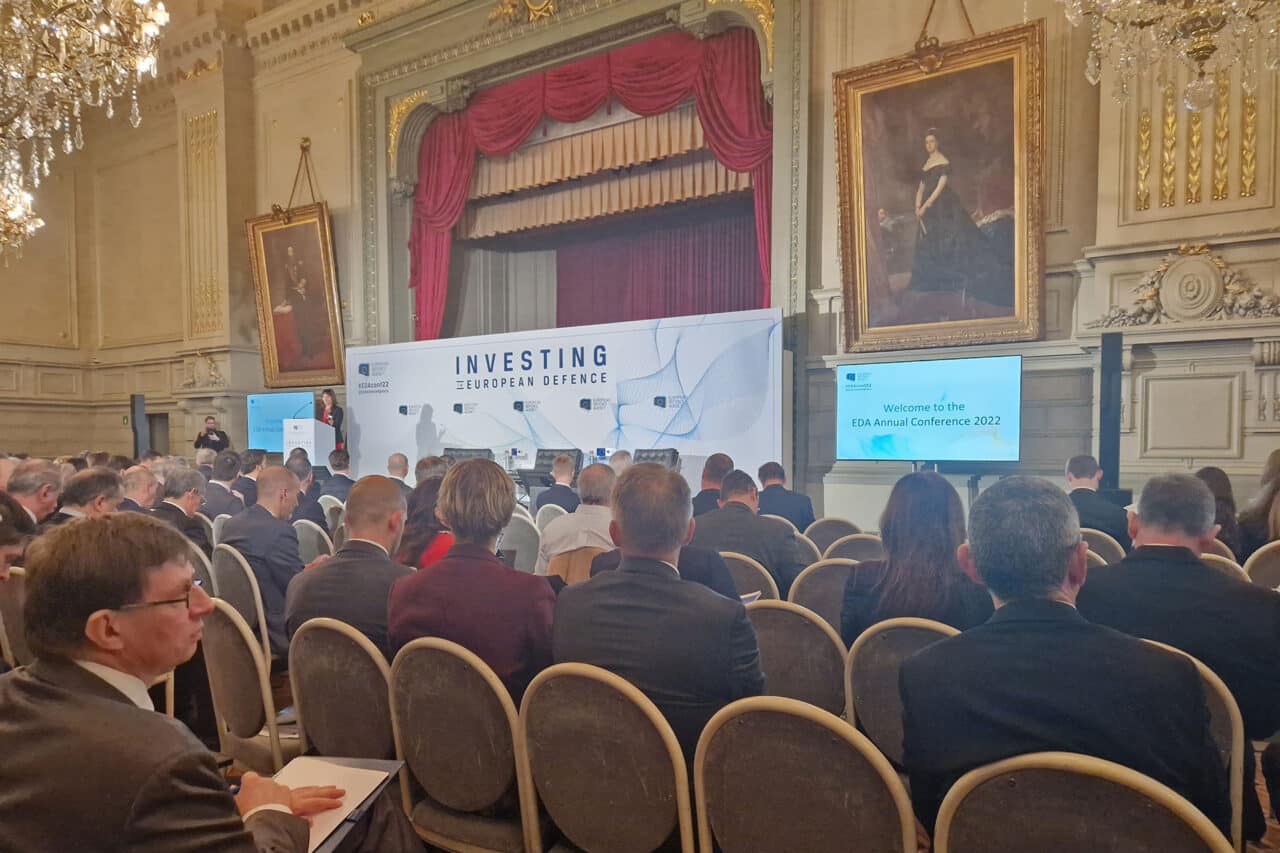
a conference hall at EDA event

TD Shepherd attended the 2022 annual EDA conference (EDA as in European Defence Agency), which took place on December 8th in Brussels. The conference featured several panel discussions as well as regular keynote speeches. The most important takeaways from the conference were:

— the €70B increase in defence related investments until 2025;
— the recognition of the importance of dual-use technology and its missing support in the current innovation landscape;
— the need for easing procurement rules for the (European) Defence departments;
— and last but not least, the need to be able to rapidly scale production when circumstances require this (industrialization of the supply chain);
— The latter includes the drive to secure (synonymous with “localization”) that same supply chain.
You may also like

the scheme of benefits delivered by advisors to startups

Why Many Startups Need External Expertise

Semiconductor innovation requires navigating a complex maze of high costs, lengthy development and qualification paths, detailed technical specifications, and, of course, the right market timing. For startups that seek to lead in their space, external expertise isn’t just helpful; it is almost always essential. 

Read more
TD Shepherd and HTVD logos

TD Shepherd Is Now a Partner at HTVD

We are excited to announce TD Shepherd as a partner of High-Tech Venture Days 2025 (HTVD25). HTVD is a matchmaking event that brings together three main groups: startups, investors (especially venture capital firms, corporate venture arms, etc.), and established companies (corporates). 

Read more
4k-mems-infrared-emitter

Tiny IR: Opportunities & Technical Challenges Behind

Generating infrared light isn’t difficult. But generating it on a chip — reliably, efficiently, and compactly — is a different story. Traditional IR sources rely on heating elements. They radiate across a wide range of wavelengths, consume significant power, and require filters to isolate the signals. Manageable in labs, unworkable in wearables.

Read more